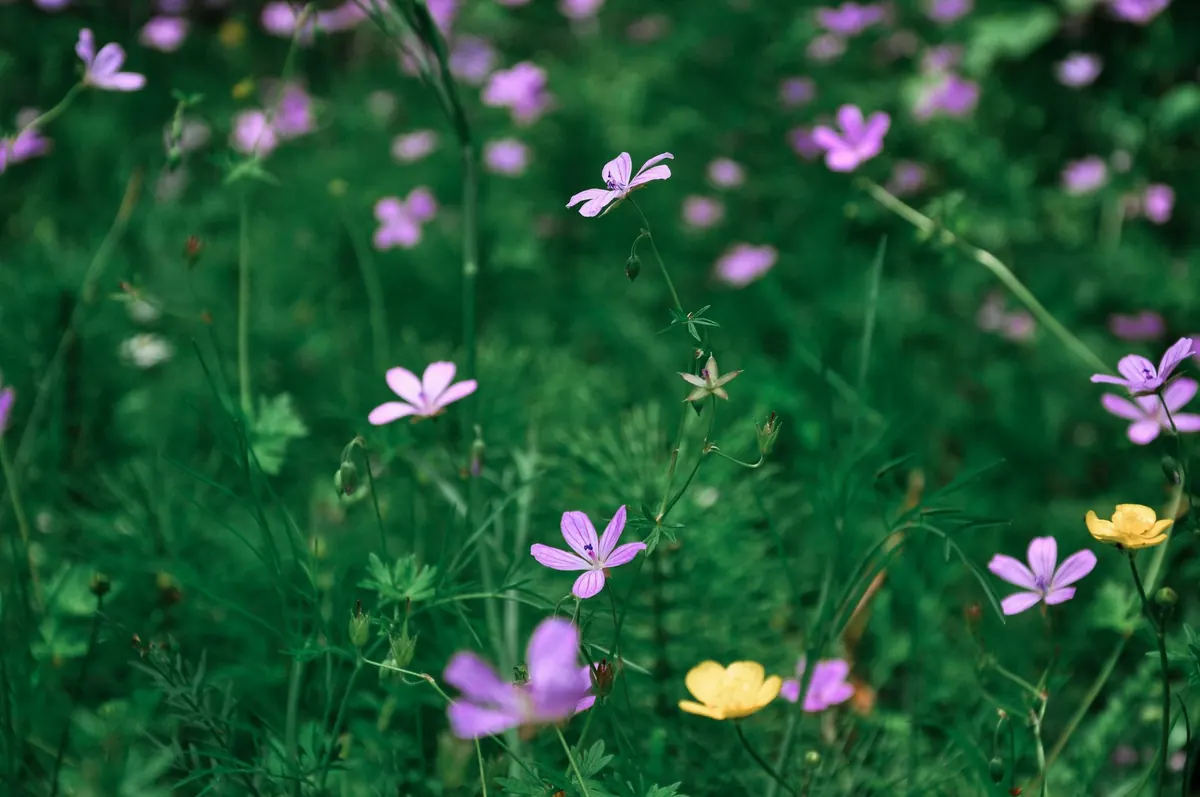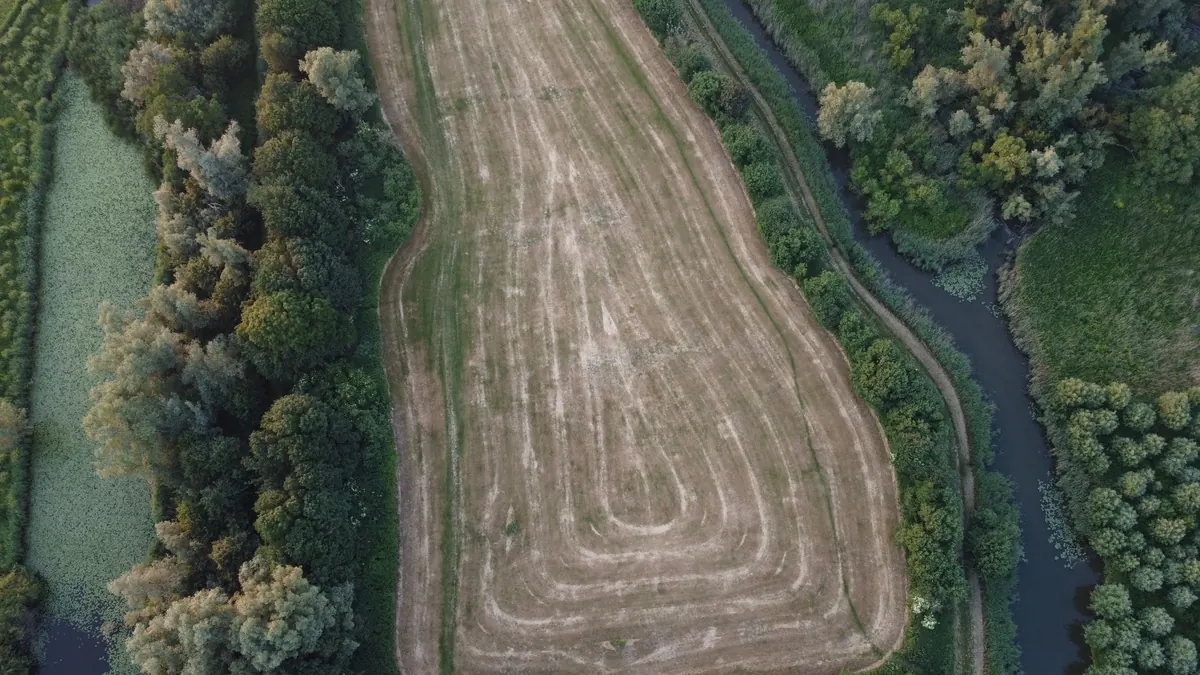
A meadow that is never grazed will slowly close over. Grasses thicken, dead litter builds up, and the small plants that give a wildflower meadow its character lose the light they need. Mowing takes off the bulk of the growth, but on most sites it is livestock that finish the job — and do several things a mower never can.
Conservation grazing is the deliberate use of cattle, sheep or ponies to hold a habitat in the condition its wildlife needs. Get it right and the meadow becomes more varied year on year: more flowers, more insects, and more birds hunting them.
What conservation grazing actually means
Conservation grazing is the planned use of livestock to manage a site for wildlife rather than for production. The animals crop the sward, trample, dung, and carry seed in their coats and hooves. Grazing is usually light and seasonal — fewer animals than a productive field would carry, kept on for a shorter period, at a time of year chosen to suit plants and invertebrates rather than growth rates.
It is not the same as turning a few animals out and hoping for the best. Good conservation grazing is planned around outcomes: a sward of a certain height in spring, patches of bare ground for basking insects, seed heads left standing into autumn, and scrub held back at the margins.
Why a meadow needs grazing
Left alone, most lowland grassland in Britain trends towards scrub and then woodland. Cutting removes the year's growth in one go, but grazing adds a kind of untidiness that wildlife depends on:
- Light to the ground. Removing bulk lets low-growing plants such as bird's-foot trefoil and wild thyme survive among the grasses.
- Gaps for seed. Hooves break the mat of vegetation and expose soil where seed can germinate.
- Varied structure. Selective grazing leaves a patchwork of short turf, tussocks and taller stems — what insects need to feed, bask and overwinter.
- Nutrients in the right places. Dung and urine return a little fertility, patchily, rather than the blanket boost of bagged fertiliser.
- Dung and decay. Pats feed dung beetles and fly larvae, which in turn feed bats and birds.
- Scrub control. Browsing young thorn and bramble keeps the edges open without machinery every year.
Grazing and cutting are partners rather than rivals. A traditional hay meadow is cut in mid-summer, then grazed lightly in late summer and autumn — the "aftermath" — which tidies the regrowth and opens the sward before winter.
Cattle, sheep and ponies
Different mouths do different jobs. Choosing the right species, or a mix, is the biggest single decision you will make.
Cattle
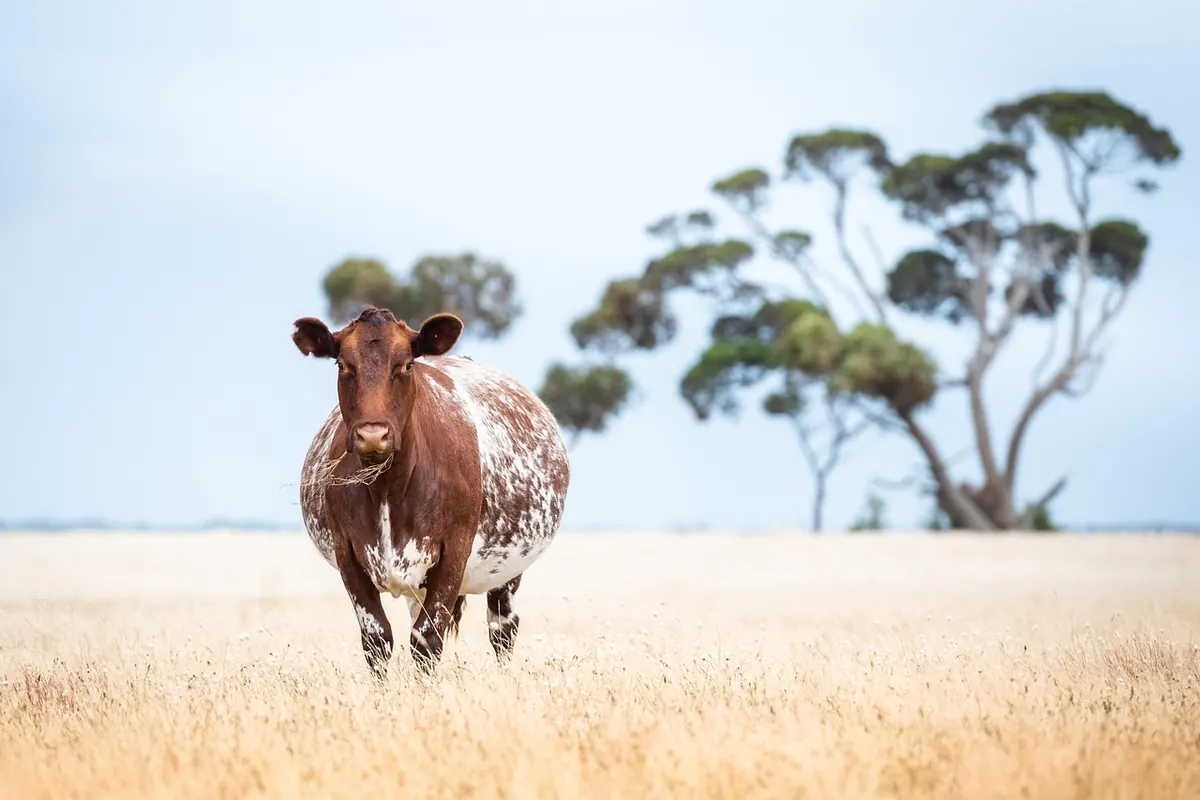
Cattle curl their tongue around a tuft of grass and pull it, leaving uneven tufts behind. They have big mouths and are not fussy, so they are excellent at knocking back coarse grasses such as cocksfoot and Yorkshire fog. Their weight can poach wet ground, so move them on before the field turns to mud. Dexters, Belted Galloways and Shetlands cope well with poor forage.
Sheep
Sheep nibble close with small, precise mouths and will graze turf shorter than cattle ever manage. That suits chalk and limestone downland, where fine herbs thrive in close-cropped, sunny turf. The risk is over-grazing: run sheep too late into the season and they will take flower heads before seed is set. Hardy hill breeds and primitives such as Hebrideans and Soays are the usual choice for this work.
Ponies
Ponies are selective grazers with tough constitutions. Native breeds — Exmoor, Dartmoor, Shetland, and the Konik used on many wetland sites — do well on poor grass where cattle would struggle. They graze closely, create latrine areas that concentrate nutrients, and leave bare patches that solitary bees and wasps use. Watch them where rare plants grow, as they can graze a favoured species to the ground.
Mixed grazing — cattle and sheep, or ponies and cattle — usually produces the best mosaic, because each species leaves different heights and different dung.
Timing, pressure and aftermath grazing
Most conservation grazing falls into a few patterns. Late-summer grazing follows a hay cut and cleans up the regrowth. Winter grazing is traditional on wet grassland and marshes, where stock graze rougher growth while the ground is firm or forgiving enough to take it. Spring grazing opens a sward before the growing season gets going, but it must stop early enough to let flowers set seed.
Pressure matters more than numbers on paper. As a rule of thumb, aim to leave a few centimetres of growth rather than grazing down to the soil, and stop before the ground poaches. If you are unsure, start with fewer animals than you think you need, walk the site weekly and adjust. Avoid feeding hay or concentrates in the meadow itself — it imports nutrients and concentrates animals in one spot — and plan worming with your vet, since some wormers pass through in dung and harm the invertebrates feeding on it.
How to tell it's working
Positive signs: more flowering stems of knapweed, ox-eye daisy, cowslip and salad burnet; a mix of short turf and tussocks; anthills; dung pats that vanish within days because insects are working them; bare, sunny patches. Warning signs: uniform close-cropped turf, a mat of moss, docks and nettles spreading, thistles and ragwort increasing, poached ground and scrub seedlings everywhere. Photograph the same spots each year — change is slow and easy to miss.
A practical checklist before animals arrive
- Decide what you want the site to look like in five years, in terms of plants and insects, and write it down.
- Check designations and agreements. If the site is a Site of Special Scientific Interest or in an agri-environment scheme, confirm what grazing is permitted before changing anything.
- Sort out fencing, water and handling first. Temporary electric fencing makes rotation and quick changes possible.
- Start light: fewer animals for a shorter period, then review.
- Plan the paperwork and animal health, including movement reporting, testing requirements and medicine use. Take advice from your vet and the relevant rural payments body.
- Have a plan for drought, flood and soft ground, including somewhere to move animals at short notice.
- Keep records — dates in and out, numbers, sward height, and anything that surprised you.
Where to look for help
You do not need to own livestock to graze a meadow. Many Wildlife Trusts run conservation grazing schemes and will lend animals or introduce you to a local grazier looking for summer pasture. Farm conservation advisers, county wildlife trusts and the countryside bodies for England, Wales, Scotland and Northern Ireland can all point you towards someone who knows your local geology and its plants. Borrowed animals, borrowed expertise and a written plan are a solid start — and the sward will tell you soon enough whether you got it right.
Photo: pen_ash / Pixabay