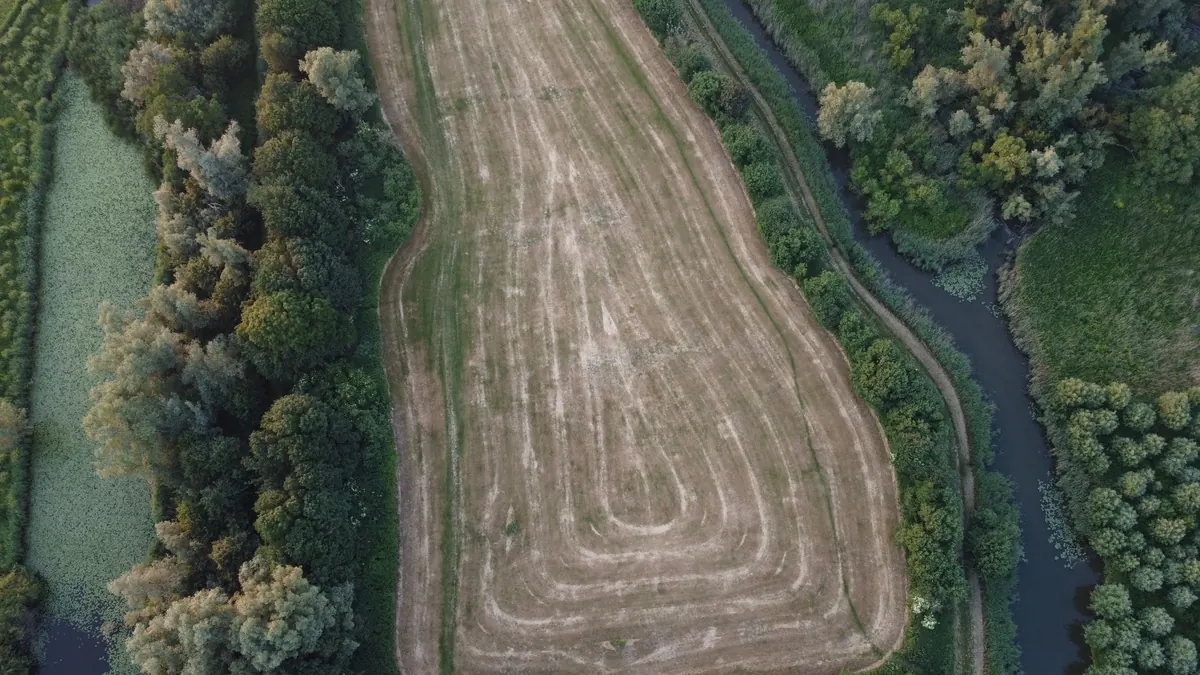
A wildflower meadow is defined as much by what you take off it as by what grows in it. Leave most grassland in Britain alone and it drifts towards a few vigorous grasses, then scrub. The flowers hold their ground because something cuts the growth each year and carries it away. Timing is most of the art. Cut too early and you mow off the seed heads the meadow needs to renew itself. Cut too late, or leave the clippings lying, and you feed the grasses you were trying to hold back. Here is how the calendar works for annual and perennial meadows, and what to do with the hay once it is down.
Perennial meadows: the traditional hay cut
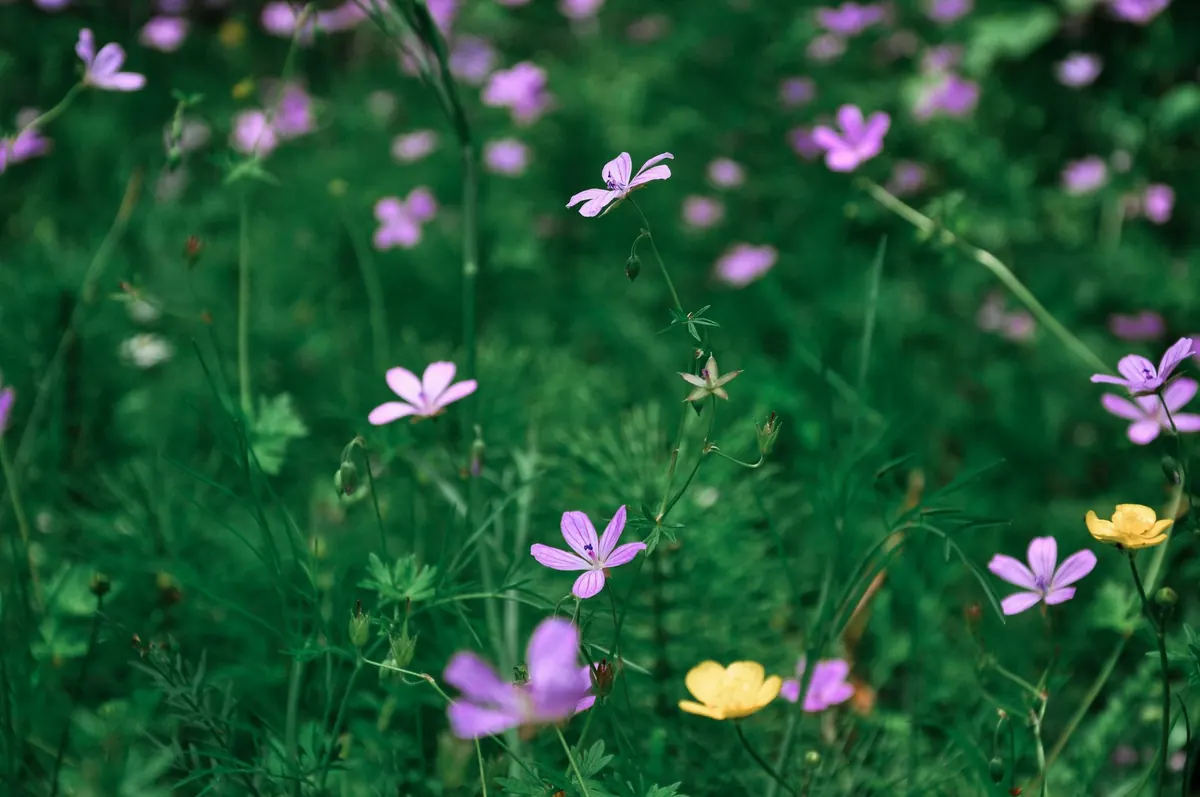
Perennial wildflower meadows — ox-eye daisy, knapweed, yellow rattle, birdsfoot trefoil, meadow buttercup — are cut once a year, in the window from mid-July to the end of August. The rule of thumb is to wait until most of the flowers have finished and the first seeds are ripening: roughly six to eight weeks after your meadow's peak flowering, which for most lowland sites means late July or early August.
Cutting then lets the flowers set seed and drop it, gives the perennials time to build root reserves before winter, and knocks back the coarse grasses that would otherwise take over. On thin, dry soil you can safely wait until late August. On rich, productive ground, an early August cut is easier — the growth is heavy and flattened by September.
If you want two cuts
A second cut in late September or early October suits a sward that has grown back thickly, sites with creeping thistle or docks, or ground where you are deliberately reducing fertility. Take it down to 7–10cm and clear the material. Avoid cutting into the crowns of the plants or leaving bare soil going into winter.
Cutting in the first year
A newly sown perennial meadow should not be left to grow away. In its first summer, cut every six to eight weeks to about 5cm and remove the clippings — the aim is to stop annual weeds and sown grasses setting seed while the flowers establish. From the second year, move to the single hay cut.
Annual meadows: cut after seed set
Annual meadows built on cornfield flowers — poppy, cornflower, corn marigold, corn cockle — play by different rules. They flower from June into September, set seed quickly, then die. The date that matters is when the seed has dropped, usually late August to mid-September.
If you want the same display next year, cut after seeding and disturb the ground lightly in autumn or early spring; annuals need bare soil to germinate and will not persist in a closed grass sward. Cut before seed set and you will need to re-sow. Either way, rake off the debris. On a mixed plot, try cutting half in late July and leaving the rest until mid-September for seed — a longer season, and something for the birds.
Cutting height, kit and method
- Height: 5–10cm for a hay cut, higher on dry or stony ground. Never scalp down to the soil.
- Kit: a scythe or a brushcutter with a metal blade for a small plot; a two-wheeled sickle-bar mower, or a tractor and hay mower, for anything over half an acre.
- Pattern: mow in strips or blocks over a week or two rather than all in one afternoon, and leave 10–20 per cent uncut as a refuge for insects and small mammals. Rotate which strips you leave each year.
- Conditions: cut in dry weather, on ground firm enough to carry machinery. Wet grass cuts badly and wet soil compacts.
Take the growth away and you keep the flowers; leave it lying and you grow grass.
Clearing the hay: cut, cure, cart
Removing the cut material is not optional. Left in place it smothers the crowns beneath and returns nutrients to the soil, which is the opposite of what a wildflower meadow needs.
- Cut and leave the grass to wilt for a day or two.
- Ted or turn it to dry — two or three days in settled weather, longer when it is humid. Hay is ready when a handful feels crisp rather than cool and damp.
- Heap it at the edge for a day before moving it, so seed and any creatures can escape back onto the meadow.
- Cart it off within a week or two. If it is too wet to make hay, compost it in a hot heap rather than spreading it back over the meadow.
On a small plot a rake and a tarpaulin will do. On a larger one, borrow a hay turner, or ask a local farmer whether they want the crop — plenty will cut and bale a meadow for the hay.
Aftermath grazing
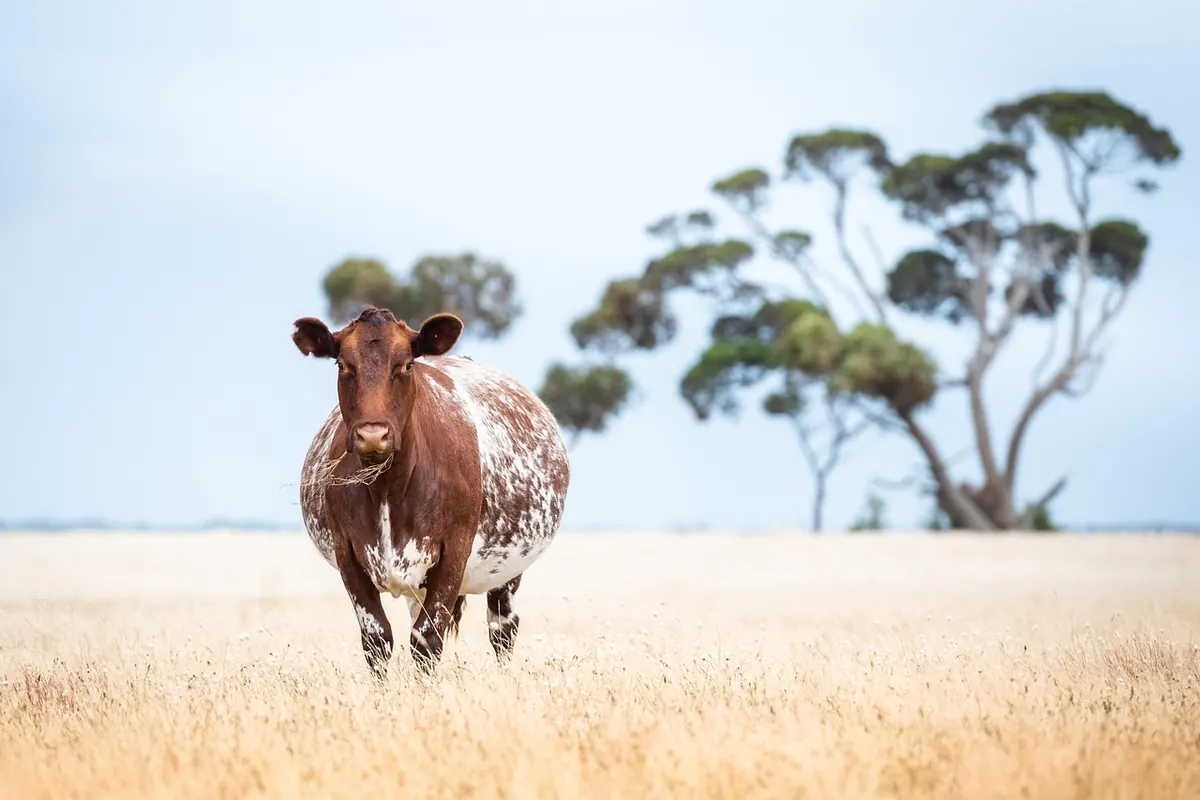
Traditional meadows were grazed after the hay was carried, and the rhythm still works. From late August through to October, put light stock on the regrowth. Cattle and sheep are the usual choice; ponies will do, though they graze selectively and can leave patches.
The aim is to nibble the sward down to around 5–7cm and break up any matted grass, not to graze it bare. Move the animals on before the ground poaches, and keep them off heavy clay through the winter. Grazing opens small gaps where seed can settle, and a light harrow or a scattering of yellow rattle seed in autumn will make good use of them. Then rest the meadow from November until the hay cut the following summer.
A practical year in short
- March–June: no cutting. Note what flowers and when — that is your cue for future years.Photo: Stan Versluis / Pexels